Nigeria’s logistics and supply chain sectors are aggressively adopting operational innovations to mitigate economic headwinds and curb soaring transport overheads. A cornerstone of this transition is the nationwide shift toward cleaner energy, with over 100,000 vehicles converted to Compressed Natural Gas (CNG) under federal initiatives. Supported by 75 active refueling stations, fleet operators switching from diesel are realizing fuel savings between 40 and 55 percent.
Technology-driven warehousing and distribution networks are simultaneously modernizing regional cargo movement. Digital freight-matching platforms utilizing artificial intelligence are successfully eliminating costly empty miles by pairing return loads with available trucks. Furthermore, increased utilization of inland waterways and maritime barges now accounts for over half of freight forwarding market revenue, alleviating severe highway congestion.
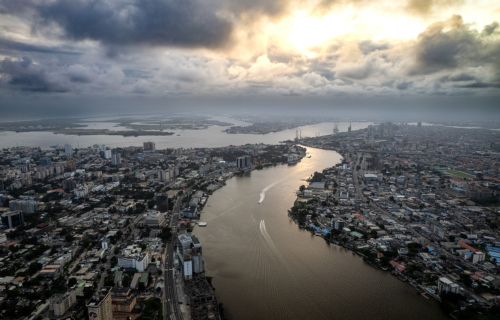
Strategic infrastructure enhancements- including the Lekki Deep Sea Port, Onne Port upgrades, and the Dangote Refinery- are further transforming regional trade dynamics. Industry leaders emphasize that expanding rail connectivity, broadening CNG financing, and deepening public-private collaboration will cement Nigeria's position as West Africa’s premier logistics hub under AfCFTA.
Summarized from the original article published here: Real News Magazine