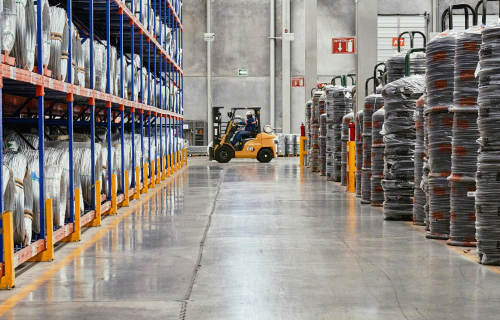
Ahead of the West Africa Warehousing & Logistics Expo scheduled for April 2027 in Lagos, industry experts report a fundamental operational shift across regional supply chains. According to Dr. Obiora Madu, Director-General of the African Centre for Supply Chain- a supporting association for the event- rapid urbanization, e-commerce growth, regional trade integration, and demand for modern facilities are dismantling traditional storage models in favor of real-time visibility, stock accuracy, and performance-driven logistics.
However, regional logistics operators face persistent structural bottlenecks, including high electricity overheads, road-heavy freight corridors, and fragmented supply chain visibility. In corridors like Abidjan-Lagos, infrastructural deficiencies contribute to significantly higher trading costs and create severe deficits in Grade-A warehousing near key transport nodes. High fuel and diesel generator expenses continue to challenge the financial viability of automated facilities and continuous cold storage.
To overcome these barriers, industry leaders are advocating for public-private partnerships, cross-border digital integration, and captive solar energy solutions within industrial parks. Madu stresses that establishing connected, visible network capacity- rather than isolated real estate—will define commercial success and drive West African trade over the next decade.
Summarized from the original article published here: Engineering News